


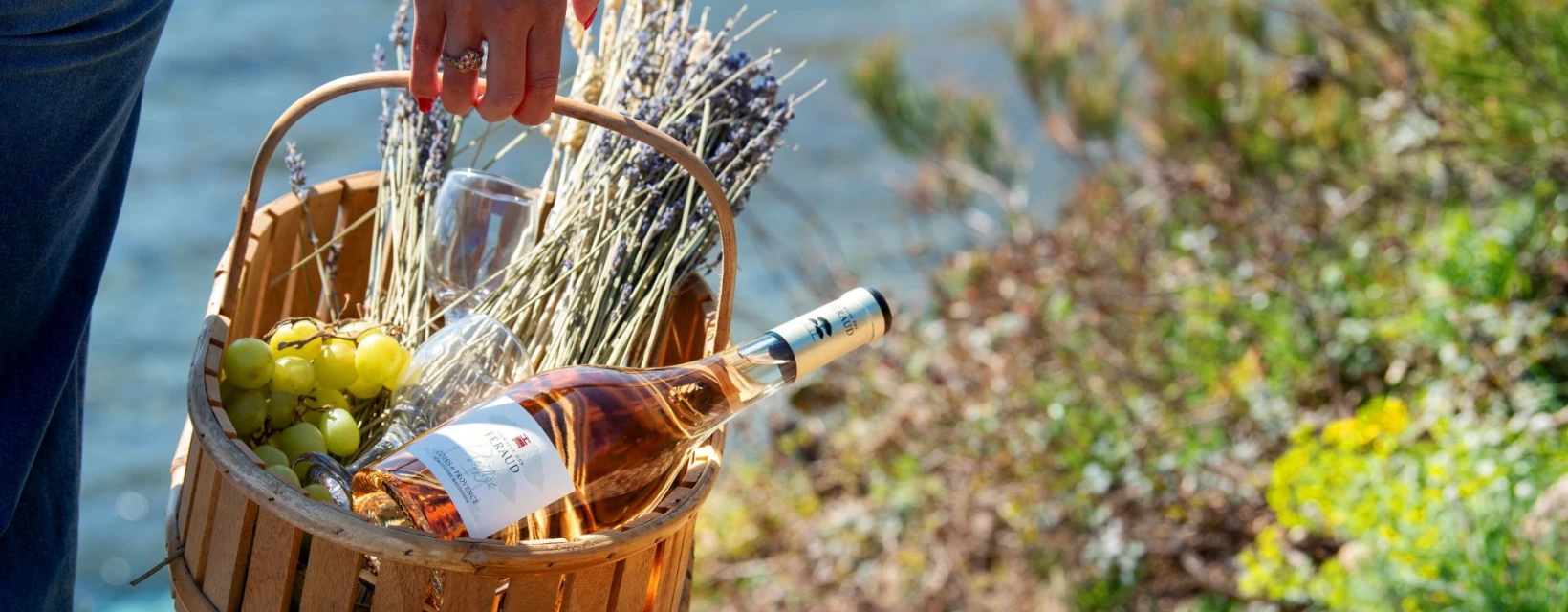
How our Rosés are made
It is rosé wine that contributes to Provence's worldwide renown. The international world of wine looks upon its triumphant conquest in recent years and, in France, it already represents 4 out of every 10 bottles consumed. It is shared as an aperitif, as a festive wine or to accompany a healthy, light, summery and vegetarian cuisine.
Several factors explain this phenomenon. Without tannins, rosés go wonderfully well with the summer's star foods: tomatoes, courgettes, olives, garlic, spicy raw onions, goat and sheep cheese, fresh mint and red chilli pepper. What could be more delicious than a good rosé with a crunchy salad! Fresh and thirst-quenching, it goes well with grilled meat and fish accompanied by their seasonal vegetables.
The grape varieties used are the same as for red wines. It is the winemaking process that makes all the difference. Our AOP rosés are made from Syrah, Cabernet-Sauvignon, Grenache Noir, Cinsault and Rolle/Vermentino, whose blend produces fresh wines with notes of citrus fruit, white peaches, apples, pears or fresh almonds. There are three different types of elaboration, of which we have chosen to practice the first two:
The pressed rosé has the palest colour
The most widespread method in Provence, this technique consists of pressing whole or de-stemmed bunches directly after the harvest. A very gentle method of pressing, during which the tannin-rich grape skins and seeds come into only minimal contact with the grape must, is what gives the rosés from Provence their elegant pale colour
Once the juice has been harvested, it is placed in steel tanks where fermentation can begin.
The rosé of maceration
This type of rosé is made from a harvest of grapes put in tanks for a few hours (before pressing and fermentation) so that the berries release the pulp, skin, pips and grape juice. During this short maceration period, the pigments and aromas contained in the grape skins impregnate the juice and colour it. The must is then pressed to separate the solid part (skin, pips) from the juice, which is fermented alone at low temperature to preserve the aromas as much as possible.
Le rosé de saignée
This rosé is obtained from a harvest put into vats to produce red wine. After a few hours of maceration in the vat, part of the juice contained in the vat which has already taken on a rosé hue is released and vinified separately. The rest of the harvest is left in the initial vat to produce red wine.
Harvesting
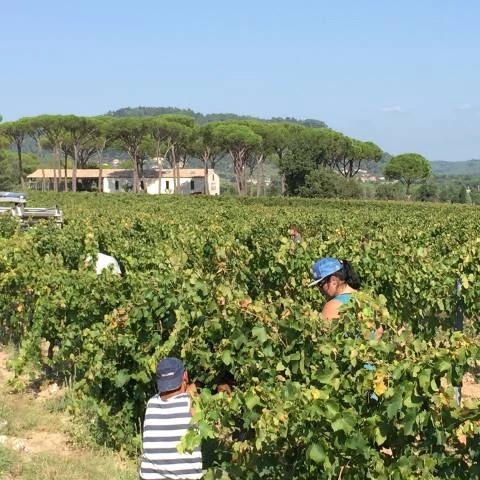
Ideologically, one might think that manual harvesting is always preferable and that the machine can never replace human precision. But it's not as simple as that...
At Féraud, we choose the method of quality for each color and grape variety. Indeed, in order to avoid the risks of oxidation and fermentation, our grapes for the rosés are harvested at the coolest hours of the day. The choice of harvesting by machine allows us to work at night. This saves not only a considerable amount of energy in cooling the harvest, it also prevents the grapes from any spoiling, which could harm the aromas and colour of the wine.
Destemming
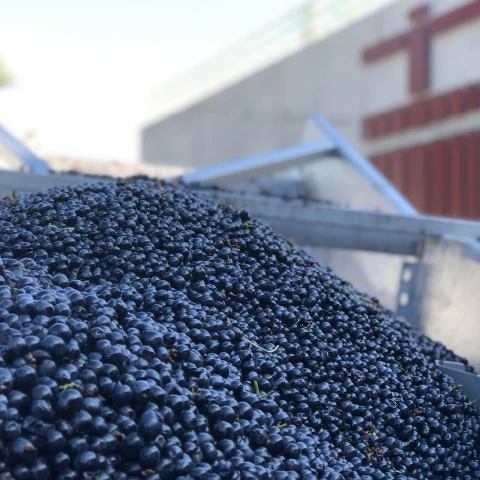
As soon as the grapes have been harvested, the first stage of vinification begins with destemming. The grapes are separated from their stalks to avoid giving a grassy taste and bitter tannins, neither of which is desirable for our rosés. At the cutting edge of technology, our Delta Vistalyis machine also gently sorts the grapes and opens them in order to extract their juice and pigments.
Pressing
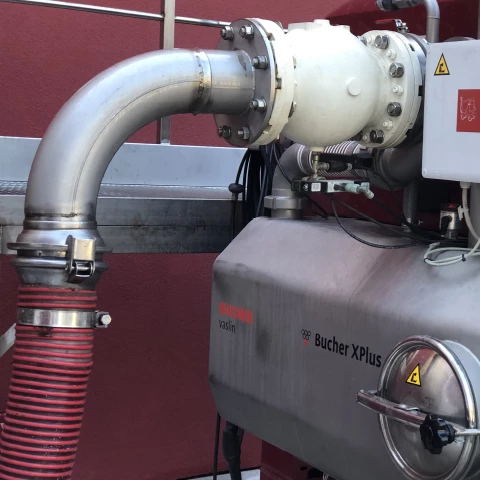
The pressing and separation of the skins from the flesh of the grapes requires meticulous expertise in order to avoid the release of the plant aromas contained in the pips. Only those of the fruit must be released. We use the proprietary Bucher Inertys inert gas pressing process so that 100% of the pressed must is protected from oxidation, thus preserving the fine flavours and colours of the juices.
Clarification & Fermentation
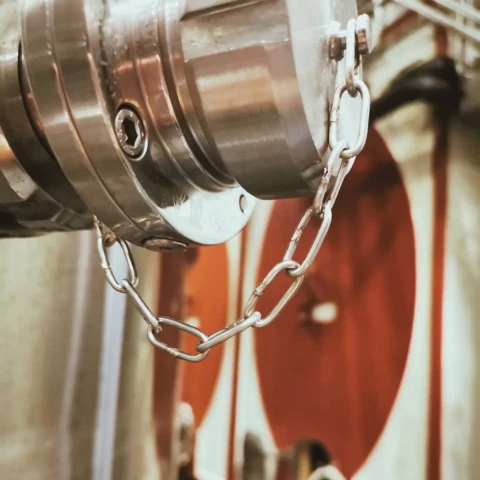
Clarification takes place in stainless steel tanks. Unwanted residues settle as sediments at the bottom of the tank.
Fermentation
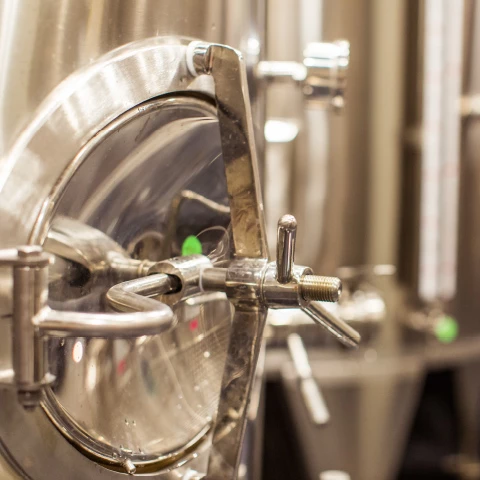
It is now the time of fermentation. The natural transformation of the sugar into alcohol takes place using the natural yeast existing on the grape skins or with the addition of selected yeasts.
Aging
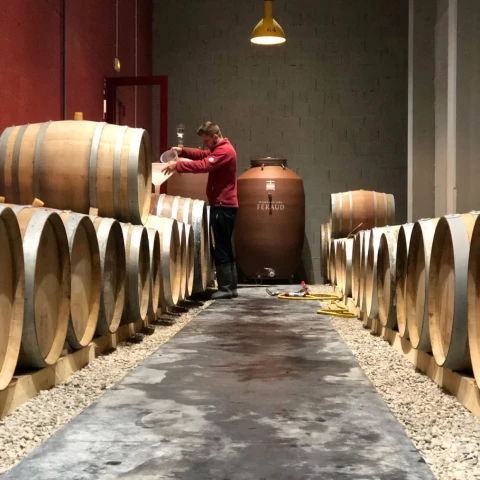
To preserve the fruit aromas and the freshness of the wine as a whole, we mature our rosés in thermo-regulated stainless steel tanks. Only the Arômes des Maures, our limited edition rosé de garde, is vinified in barriques.
The assembly
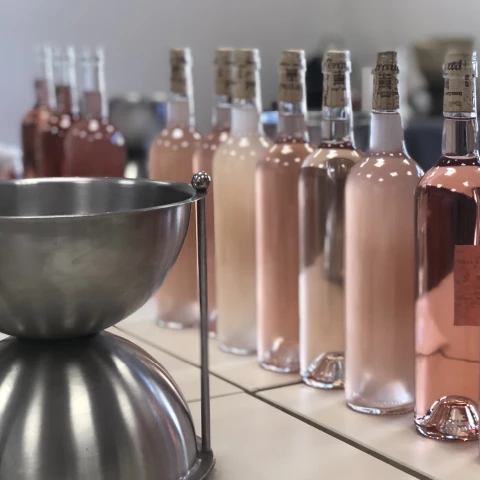
The “assemblage” (blending) is final stage in the production of our rosé wines. Blending is the process of combining wines from different stainless steel vats or oak barrels. This is the precise moment when the different characters of our rosé wines are created.
Bottling
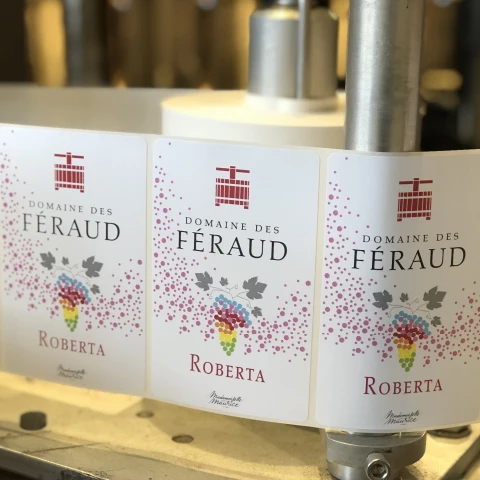
The final logistical stage in the production of a wine is bottling. Bottling requires a final filtration of the wine.
To ensure the stability of our wines we take great care to maintain extremely strict hygiene standards.
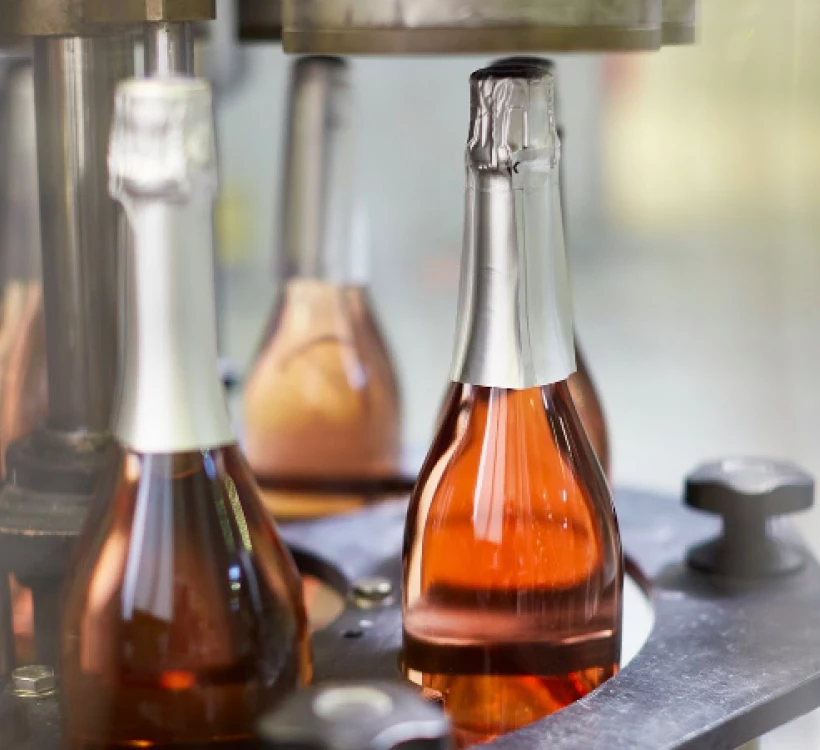
Our Brut « Méthode Provençale »
Our sparkling Annrosé is made from a cuvée of our best Rosés. As in champagne the second fermentation takes place in the bottle.
Two things make our Annrosé a special sparkling wine that is as light, natural and digestible as possible: Contrary to the traditional method, we have chosen the "Méthode Provençale" where we do not use sugar or a "liqueur de tirage" to start the second fermentation in the bottle. Instead, we use the must of the initial cuvée, which we keep frozen before bottling. And our sparkling wine is a Brut Nature, as we do not add any sugar after the "dégorgement". Another term for Brut Nature is "Zero dosage".