Does wine always have to be aged in oak barrels?
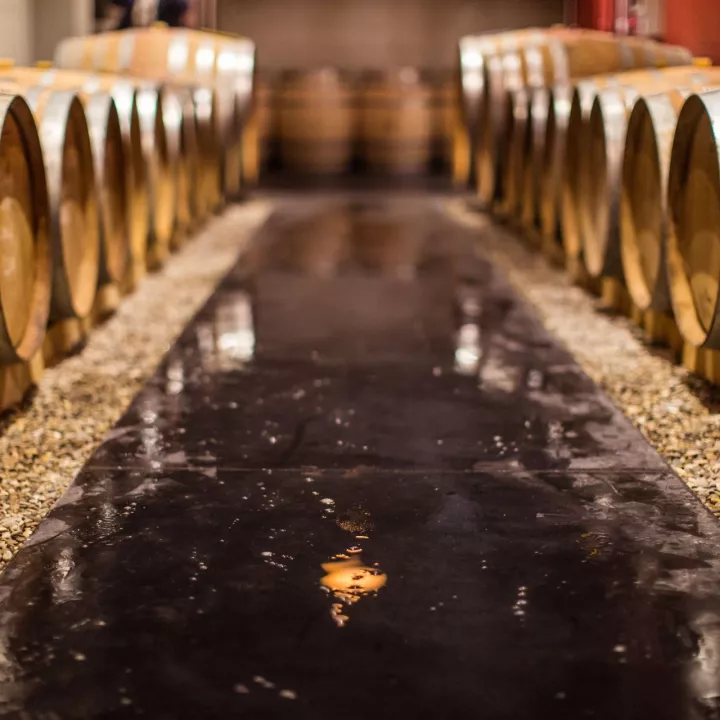
For our reds made from 70 years old vines
For our white and rosé wines, we deliberately avoid any use of oak. We are interested in fruit, freshness and precision, but not in oaky notes, which can very quickly overpower the fruit aromas. Nor do we want to overload our fruit-driven red ‘Essentielle’ wines by ageing them in oak.
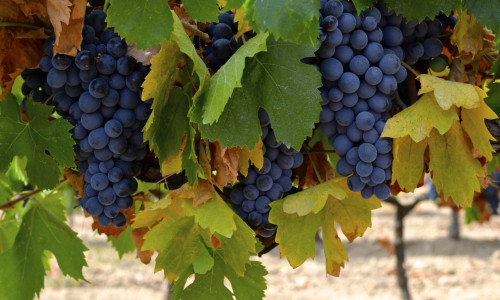
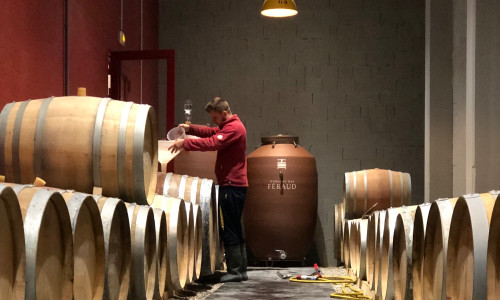
We take a different approach with our ‘Vins rouges de garde’, made from up to 70 years old Syrah and Cabernet Sauvignon vines. Here, too, we opt for ageing in small oak barrels, which enriches the wines with more complex secondary aromas such as vanilla, mocha, coffee, tobacco or smoke, and extends their ageing potential.
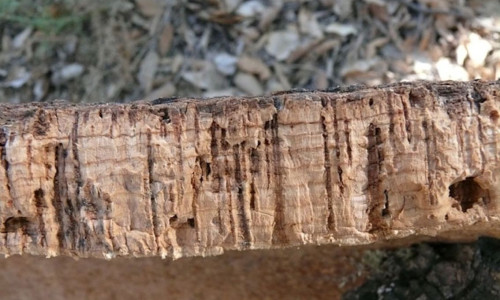
Does wine always have to be aged in oak barrels? No, not necessarily; there are other woods too, such as acacia or chestnut. But oak is the gold standard due to its properties: on the one hand, its wood is flexible enough for coopers to shape it into barrels. Secondly, it is hard and, in the lower part of the trunks – which are the only parts used for barrels – free of knots, making it completely watertight. Incidentally, the trunk wood must be split for this purpose; under no circumstances should it be sawn. Above all, oak trees can be stored easily and for long periods after felling before being turned into barrels. During this time, the oak wood loses tannins over the years.
What should be borne in mind during ageing in wood? The secret to successful ageing in wooden barrels lies in a balanced ratio of tannins in the wine and in the wood. New barriques generally impart (too) many woody aromas. That is why we only renew around a quarter of our barrique stock each year. By using barrels that have already been in use for one, two or three years, the woody aromas become more subtle and our wines more elegant. As each barrel is different, the Indigène and Grande Cuvée are only ‘blended’ from the various barriques at the end of the ageing process, after 18–24 months, before being bottled and stored in bottles for a few more years.
When selecting barrels, we avoid heavily toasted barrels and also American oak, which imparts stronger oaky and sweeter vanilla notes than French oak. Our favourite barrels, however, come from Waidhofen an der Ybbs in Austria. There, Franz and Mathias Stockinger store the wood for their barrels for up to ten years, in a climate characterised by rather wet summers and freezing, snowy winters. “It’s like cheese: if you eat it too young, even though it still needs time, it tastes harsh. If you let it mature, it becomes well-rounded and tastes really good,” says Franz Stockinger.