What does ‘vegan’ mean when it comes to wine?
And yes, our wine is vegan too
Time and again, people ask us whether our wines are actually vegan. At first glance, the idea that a drink made from (plant-based) grapes might not be vegan seems surprising. Especially as the yeast used in winemaking is not a product of animal origin, but is classified as a fungus.
The question of whether a wine is vegan or not comes down to the clarification of the must. To remove the sediment produced during fermentation – which, above all, affects the wine’s appearance and texture – the winemaker may use various additives.
These ‘fining agents’ are often of animal origin, such as gelatine (actually a by-product of slaughter), casein (a milk protein used to clarify white wines), albumin (egg white used to clarify red wines) or fish bladder powder (for kosher wines).
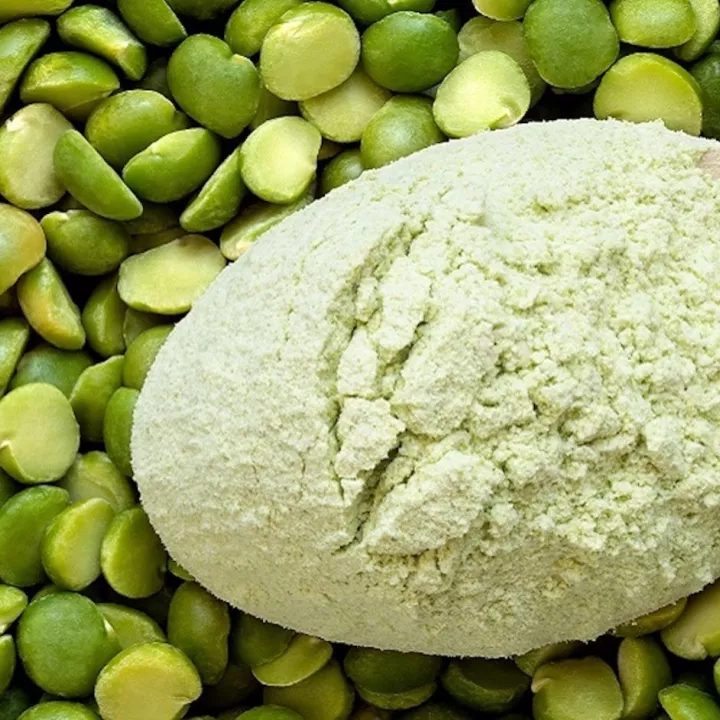
With vegan wines, however, the winemaker uses plant-based or mineral agents to prevent cloudiness or to clarify the wines. We primarily use bentonite (a type of clay) and pea proteins. In principle, it is also possible to clarify the wine entirely without any additives by allowing it to settle and decanting it into several vessels.
Vegan or not: all fining agents (including the vegan ones) serve only the purpose of the fining process. They are removed from the wine again and are not present in the finished wine! There is therefore no difference in taste, regardless of whether a wine has been fined using animal-based, plant-based or no fining agents at all.
Although our wines are vegan, we do not seek certification. Unlike with the ‘organic’ label, we save ourselves the costs (and red tape) associated with certification bodies.
Above all, however, we don’t want any debates about whether the worms, bees and other beneficial organisms we’ve worked so hard to establish in our fields, our grazing sheep or cow manure used as fertiliser are compatible with a vegan wine or not. ?