Get your creative juices to work!
Of wild yeasts and hard-working bacteria
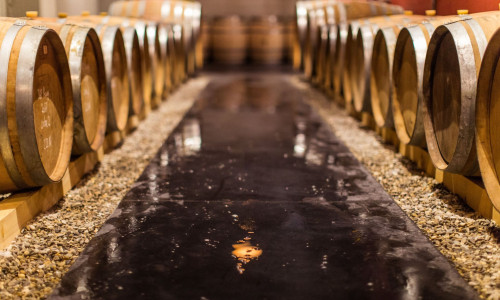
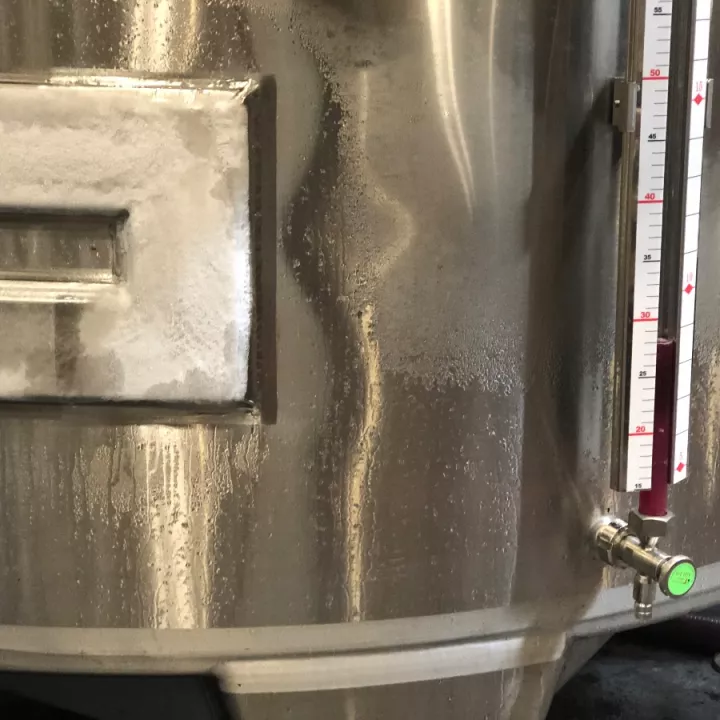
In the wine cellar, early autumn is the wildest time of year. This is when fermentation takes place, an anaerobic (oxygen-free) process during which energy is released through the conversion of glucose by enzymes.
Nowadays, we readily associate the fermentation of food with a healthy diet: micro-organisms do not spoil food, but rather enhance it. For winegrowers, this principle is by no means new; rather, it is essential. Indeed, wine is only produced when yeasts convert the sugar in grape juice into alcohol and carbon dioxide. For a long time, this process remained a secret and wine was regarded as a divine drink. It was only Louis Pasteur who, thanks to microscopic studies commissioned by Napoleon III, was able to explain the process of ‘how wine is made’ and the important role played by microorganisms. ‘Wine can rightly be considered the healthiest and most hygienic of drinks,’ he wrote in 1866 in his *Études sur le vin*.
So far, it’s very simple: it is therefore only through the addition of yeasts and the formation of enzymes that alcoholic fermentation and the ‘transformation of wine’ take place. However, the process is not quite so straightforward. Indeed, fermentation generates numerous metabolic by-products which have a decisive influence on the taste of the wine. In addition to the primary fruity aromas of the grapes, there are secondary aromas. Some of these, particularly those with an animal or earthy character, can be genuinely unpleasant. To avoid this, winegrowers place particular emphasis on hygiene in the cellar and on using the right yeast during fermentation. Indeed, not all yeasts are created equal and, depending on the approach, there are two fundamentally different processes, each with its own advantages and disadvantages:
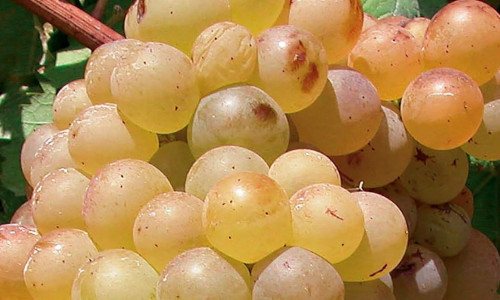
The controlled addition of ‘selected yeasts’, derived from laboratory cultures, allows for the best possible control over the start and progress of fermentation. There are hundreds of cultured yeasts that influence the aromas of certain grape varieties or styles of wine. We use selected yeasts for our Carlotta and Blanc de Rolle white wines, as well as for the Roberta and Prestige rosés, where preserving freshness and fruitiness is a priority.
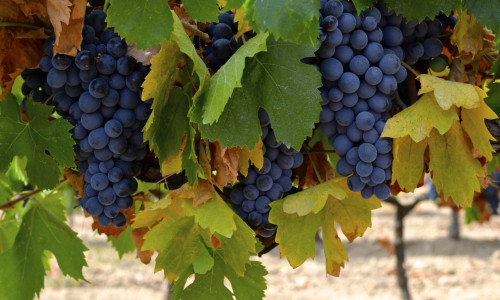
During spontaneous fermentation, the winemaker works with the natural spectrum of ‘indigenous yeasts’ originating from the grape skins, the vineyard and the cellar. Just like sourdough bread, several strains of yeast contribute to the fermentation. The art – or charm – of such wines therefore lies in the overall blend of aromas. Working with indigenous yeasts, however, demands the utmost rigour on the part of the winemaker: a healthy harvest and good hygiene are essential to minimise microbial deviations and unwanted aromas. If all goes well, we can rightly speak of a unique wine that reflects the ‘terroir’. All our red wines, as well as the Signature white and the Pur-Été rosé, are vinified using indigenous yeasts.
A few weeks after alcoholic fermentation, the wines may undergo a second spontaneous fermentation which alters the wine’s aroma. During malolactic fermentation (MLF or ‘malo’), malic acid – found mainly in apples – is broken down into lactic acid. For red wines, malolactic fermentation is generally desirable, as it results in aromas that are less fruity but more velvety and complex. White and rosé wines, however, lose some of their liveliness and freshness. To prevent spontaneous MLF, white and rosé wines are therefore stabilised in good time using sulphites. All our red wines undergo malolactic fermentation. As an exception to the norm, this is also the case for our Signature and our Pur-Été. On the one hand, because we wish to avoid adding sulphites entirely, and on the other, because we appreciate the buttery notes and the less aggressive lactic acidity in these artisanal wines.