The colours of rosé wines
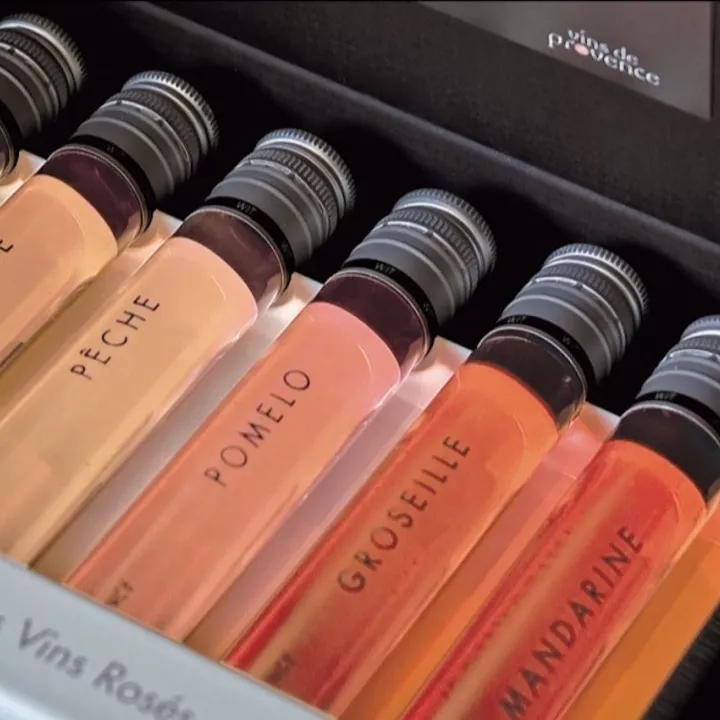
Melon, lychee or peach?
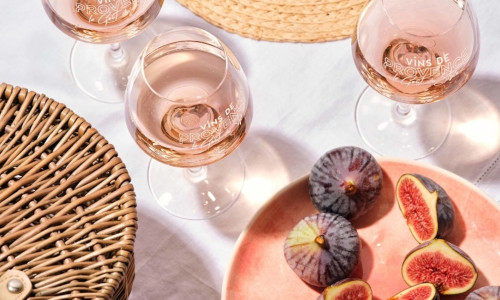
Have you ever wondered why rosé wines come in such a wide variety of colours? Just ten minutes away from us is the headquarters of the “Centre de Recherche et d’Expérimentation sur le Vin Rosé”, a unique institute of its kind worldwide. For the tasting of rosé wines, the Centre du rosé has developed a colour chart comprising a total of 13 colours and given them names: Sand, Melon, Lychee, Pomelo, Raspberry, Peach, Salmon, Apricot, Mango, Coral, Redcurrant, Cherry, Pomegranate.
Research into the relationship between colour and winemaking has yielded the following findings:
- Part of the colour diversity can be explained by the grape varieties and the terroir. These are both factors over which the winemaker has only limited control.
- The key to (artisanal) influence on colour lies in controlling the contact between the grape skins and the juice. Crucial factors here are the duration, temperature control and mechanical agitation.
- ‘Traditionally’, colour can also be influenced by the choice of pure yeast strain, sulphurisation and traditional fining in the cellar. However, organic winemakers and advocates of traditional winemaking try to avoid these methods as far as possible.