About rosés from Provence
10 things ‘nice to know’
1. Rosés account for approximately 10 per cent of total wine production. With a share of just over 30 per cent, France is the world market leader.
2. Provence produces around 10 per cent of the world’s rosé wines, with 4 per cent of the global market accounted for by the AOC appellations Côtes de Provence, Coteaux d’Aix-en-Provence, Coteaux Varois en Provence, Bandol and Cassis.
3. Around 40 per cent of rosé wines from Provence (approximately 70 million bottles) are now exported; 15 years ago, this figure stood at just 6 per cent. The main markets are the USA (38 per cent of exports), the UK (18 per cent), the Netherlands (7 per cent) and Germany (5 per cent).
4. Production volumes in Provence have not increased over the last 15 years. Currently, a maximum of 55 hectolitres per hectare is permitted for AOP regions.
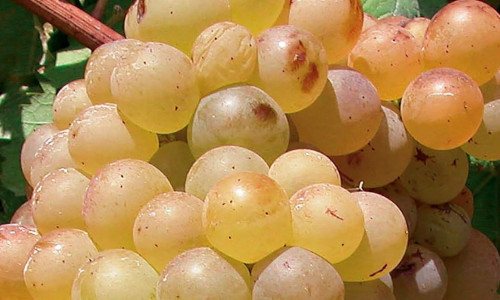
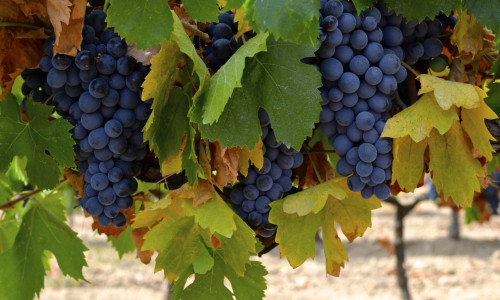
5. Rosé wines from Provence are blends of red grape varieties. In some AOP areas, a rosé cuvée may also contain a small proportion (approx. 10%) of white grapes. However, these must be processed together with the red grapes during pressing.
6. Rosé wines from Provence are dry. The permitted residual sugar content is less than 4 grams per litre.
7. In principle, rosé is a ‘red wine with low tannin content’ . To minimise contact between the fresh juice and the tannin-rich skins and seeds of the grapes, rosé is produced by gently pressing the red grapes without prior maceration.
8. Due to its low tannin content, rosé has become a trendy wine: it pairs much better than red wine with salads, vegetables and healthy, vegetarian cuisine.
9. Provence is France’s oldest wine-growing region, and rosé is the oldest known wine! As far back as 2,600 years ago, the Greeks were producing rosé from red grapes in Provence! The method of macerating red grapes, which gives red wine its colour, was largely unknown at that time.
10. As rosé wines account for around 90 per cent of production in Provence, the region’s modern wineries are optimised for these wines. Special presses, climate control and a host of measures to prevent oxidation ensure the distinctive aromas and elegant colour of Provençal rosés.